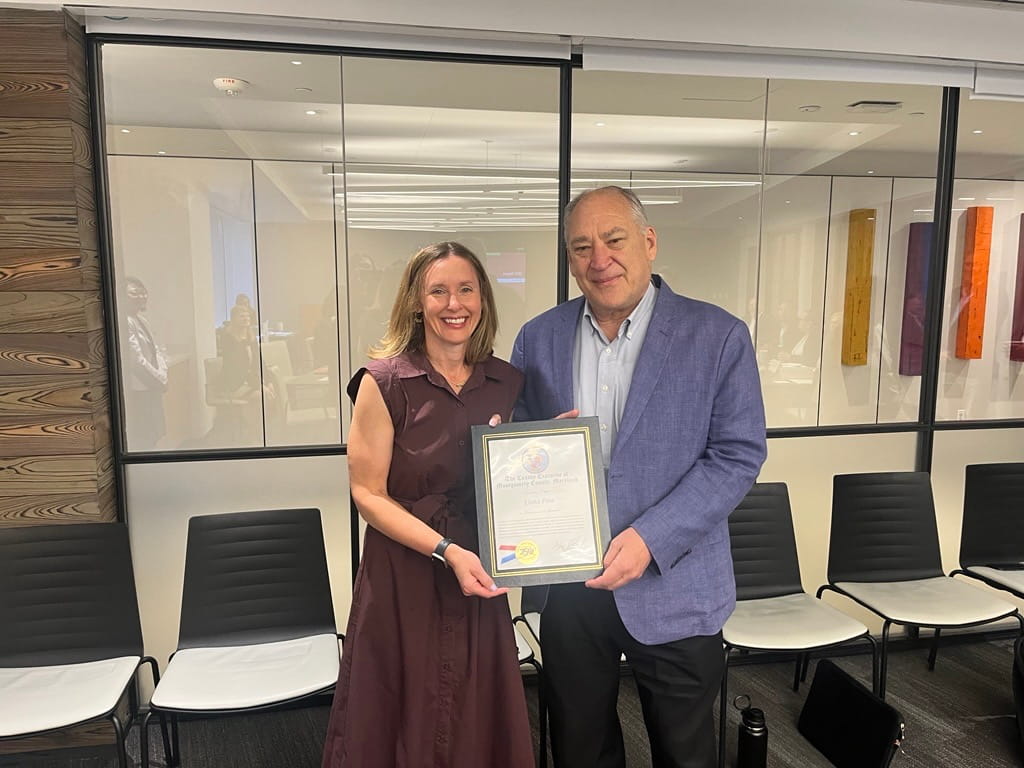
Psomagen’s Rise as a Contract Research Organization in Montgomery County, Maryland
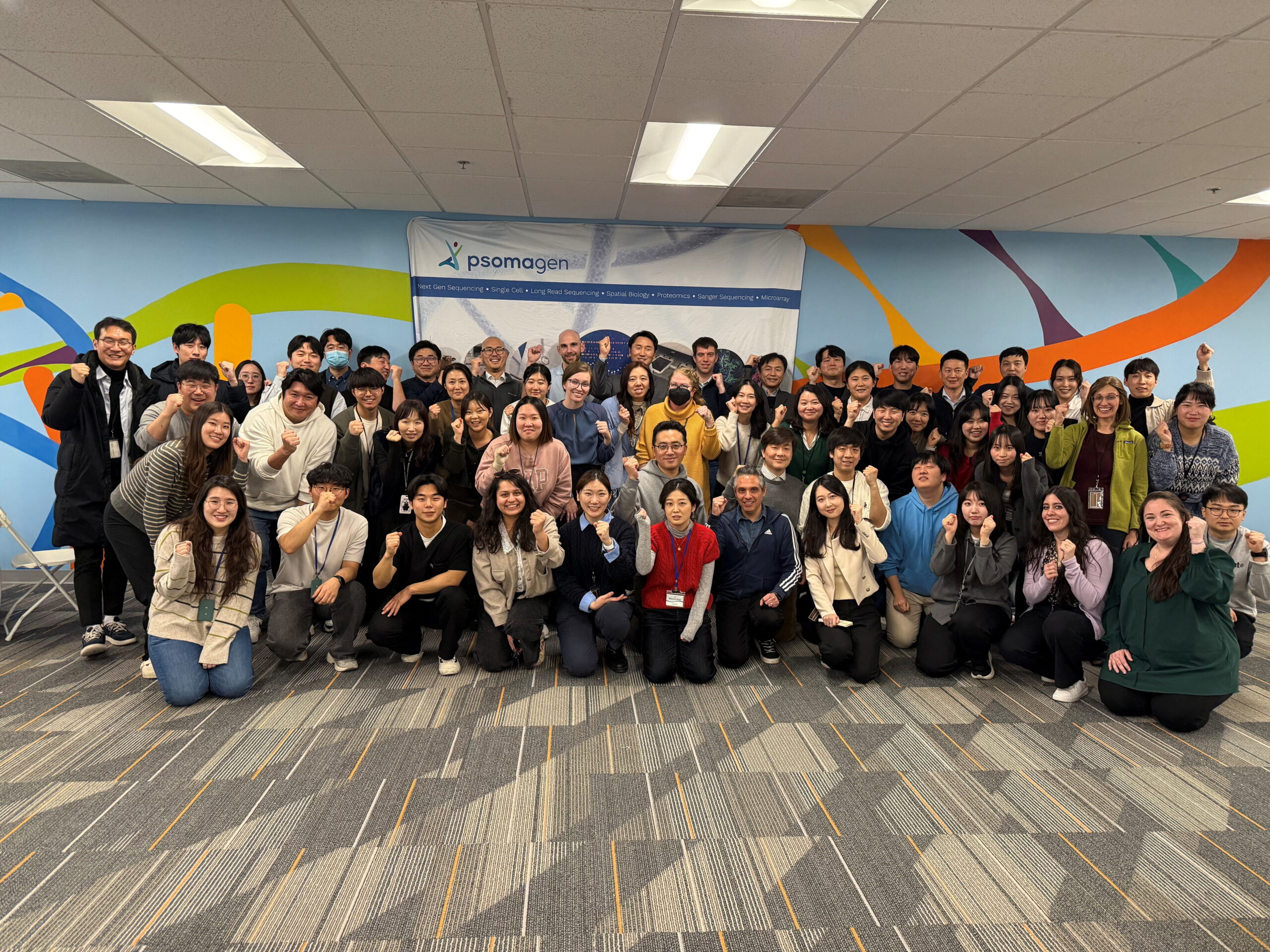
Over 20 years ago, Psomagen, formerly Macrogen USA, opened its doors in Rockville, Maryland, with the goal of providing reliable sequencing services to researchers at the National Institutes of Health (NIH).
Today, Psomagen has evolved into one of North America’s leading multiomics contract research organizations (CRO), supporting more than 20,000 clients and contributing to some of the world’s most ambitious scientific research initiatives.
Founded in 2004, Psomagen has grown alongside Montgomery County’s life sciences ecosystem, evolving from a local sequencing provider into a national leader in genomics, transcriptomics, and proteomics technologies.
“Over the past two decades, we have continuously scaled our business, expanding from that specialized local service into a powerhouse multiomics provider serving academic, pharma, biotech, government, and industry clients across the entire continent,” said Dr. Su Hong, PhD, CEO of Psomagen.
Expanding Access to Precision Medicine
As part of the global Macrogen network, Psomagen’s work supports researchers, healthcare organizations, pharmaceutical companies, biotechnology firms, and government agencies, while working to make the benefits of precision medicine more accessible by lowering barriers to advanced omics technologies.
From its headquarters in Rockville, Psomagen offers a comprehensive suite of services, including Sanger sequencing, next-generation sequencing, single-cell analysis, microbiome profiling, spatial biology, bioinformatics, biomarker discovery, and proteomics.
Its Montgomery County headquarters serves as an important hub for the company. The facility is CAP-certified and CLIA-accredited and houses some of the nation’s most advanced sequencing and multiomics capabilities.
“Psomagen is always working to expand multiomic technology access by making cutting-edge platforms available to life sciences professionals,” said Dr. Hong. “We continuously adopt new, complementary platforms that bridge into emerging technologies, further supporting groundbreaking discoveries in human health, virology, drug discovery, AgBio, ecology, microbiology, and many other fields.”
Psomagen’s expertise has positioned the company as a trusted partner on several high-profile international research initiatives.
Among them is the Chan Zuckerberg Initiative’s Billion Cells Project, which aims to map every cell type in the human body and generate data that can help power future AI-driven biological discoveries.
The company has also been selected as a key sequencing provider for the NHLBI’s TOPMed and TOPMed 2.0 programs, major NIH initiatives advancing precision medicine research for heart, lung, blood, and sleep disorders.
Additional collaborations include the Global Parkinson’s Genetics Program (GP2) and Target ALS, for which Psomagen helps generate complex multiomic datasets that support research into neurodegenerative diseases.
Starting on the Right Path
The company’s founders chose Rockville as the location for its first operations, recognizing the strategic advantages of being near the NIH and the broader scientific community.
“Montgomery County is a hub for biotechnology and biological research. Being in the area allows us to be close to many of our customers and provide very rapid, hands-on customer support and sequencing services,” explained Dr. Hong. “The proximity to our federal clients, as well as great biotech companies, gives us an opportunity to grow and learn as technologies evolve.”
Approximately 70 of the company’s 100 employees are based at its Rockville location, where teams work closely with clients throughout the region and across North America.
“Initially, our primary objective was to serve the NIH,” said Dr. Hong. “Being in close proximity allowed us to deliver efficient, high-quality sequencing services and build strong, trusted relationships with leading researchers from the very beginning.”
Today, the company benefits from the same advantages that continue to attract life sciences companies from around the world: access to specialized talent, proximity to federal agencies such as the FDA and NIST, and a dense concentration of biotechnology and biopharmaceutical companies.
“This network gives us direct access to an elite talent pool, particularly from the NIH,” Dr. Hong added. “We benefit immensely from a steady pipeline of world-class researchers, postdocs, and technical experts trained right in our backyard.”